
Nairobi, Kenya · Est. 1981
Kitengela Glass
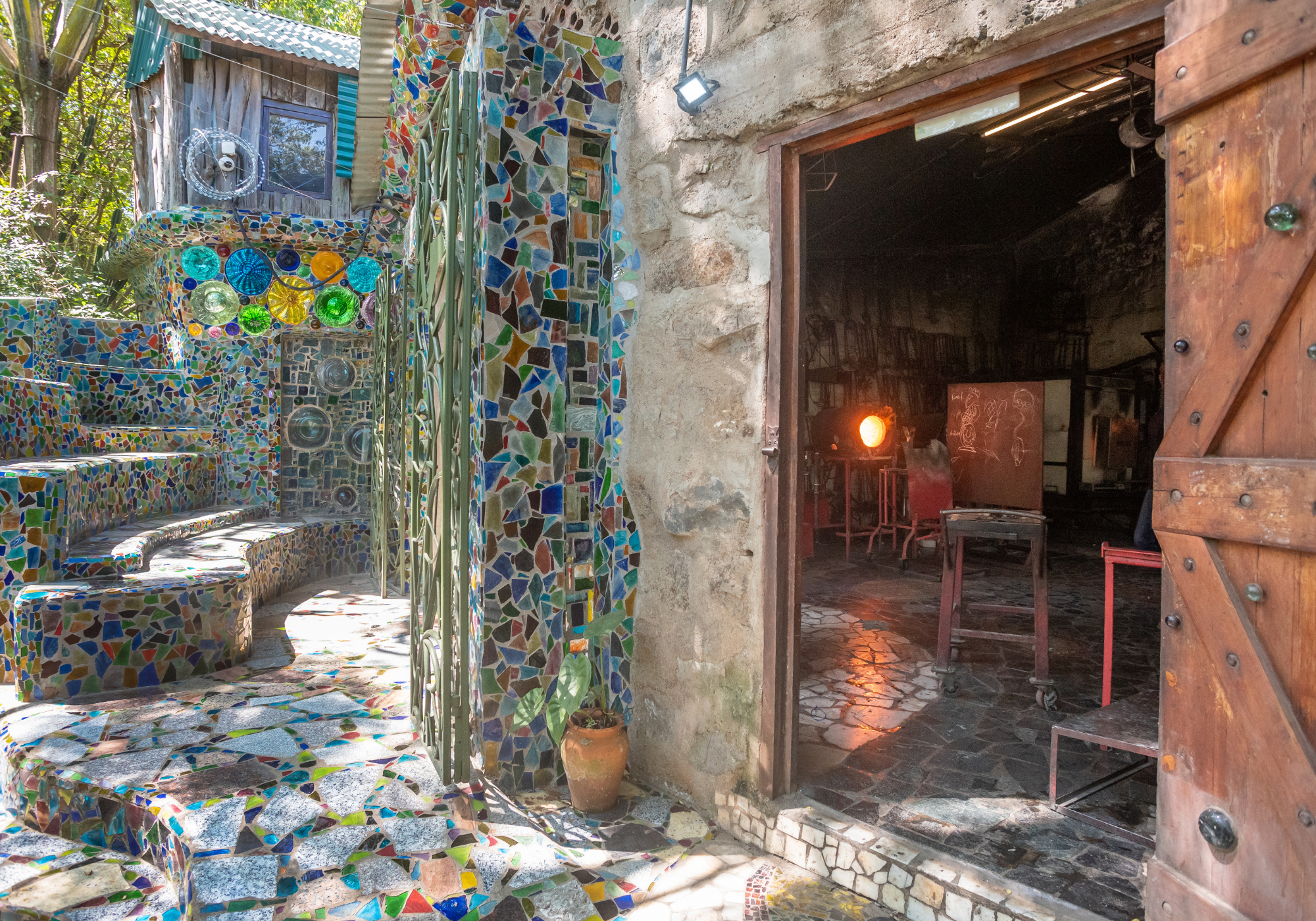
On the Athi-Kapiti plains south of Nairobi, past the edge of the national park and down a winding road that ends at the open air, there is a studio unlike any other on the continent.
Kitengela Glass does not import materials. It does not use molds. It does not make two things the same. Every piece begins as broken glass — salvaged from construction sites, collected from waste — and ends as something that holds light in a way that feels impossible given where it started.
'How we make is as important as what we make.'
kitengela x september collective
our collaboration
September Collective first encountered Kitengela Glass while searching for artisan partners who worked with both cultural integrity and material honesty. The free-blown technique, the recycled glass, the philosophy that process is inseparable from product — these were qualities that aligned well with what September Collective was built to celebrate.
The Nwele Vase is the first piece September Collective designed from concept to creation, brought to life in partnership with Kitengela. The collaboration was a conversation — one that required both sides to find a shared language between an idea rooted in diaspora culture and a material practice rooted in Kenyan craft.
The process
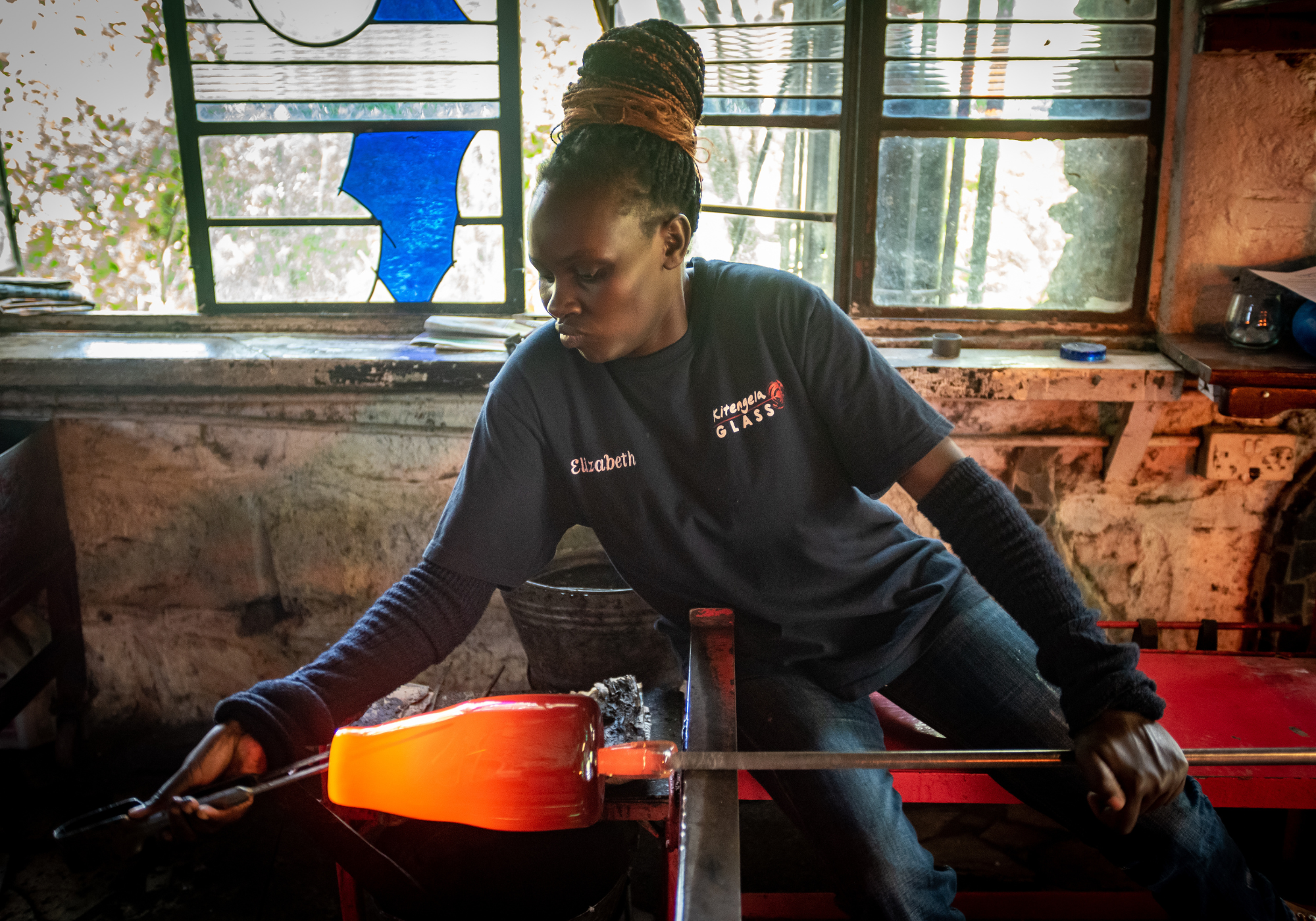
The glass Kitengela works with begins as waste. Broken windows, unused bottles, scrap collected from building sites across Nairobi. Each day, approximately 150 kilograms of this salvaged glass is loaded into a furnace that burns at around 1,100 degrees Celsius.
From that furnace, a glassblower gathers molten material at the end of a long iron pipe. What happens next is entirely manual — shaped by breath, rotation, and the judgment of the maker. No molds guide the form. The piece develops in real time, in conversation with heat and gravity, until the maker decides it is done.
the studio
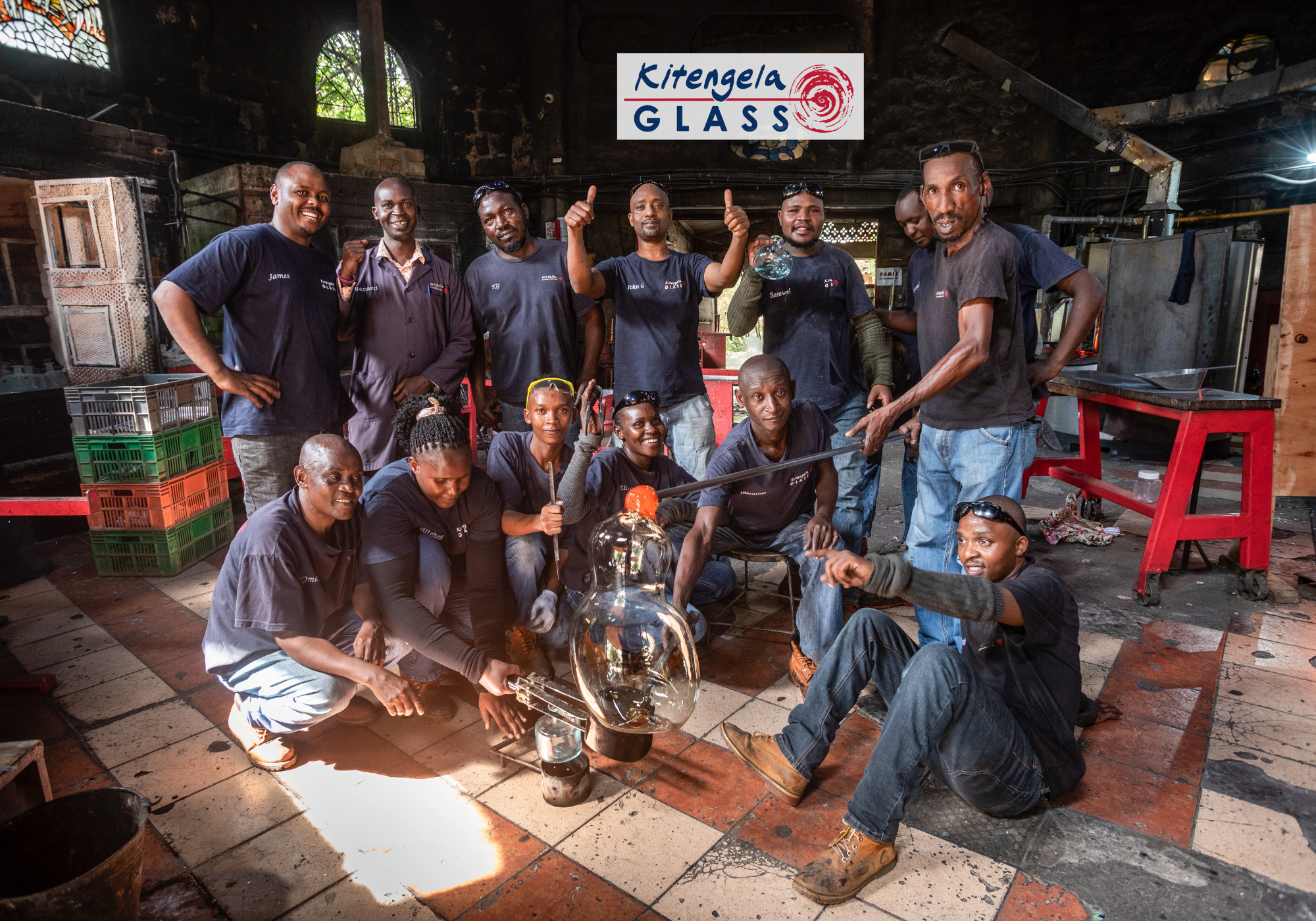
The studio runs daily demonstrations, trains apprentices, and has built a community around the craft that now spans generations of Kenyan glassmakers. The artisans who work here are not production workers. They are makers, and the studio's culture reflects that distinction.
Explore The Nywele Vase Collection
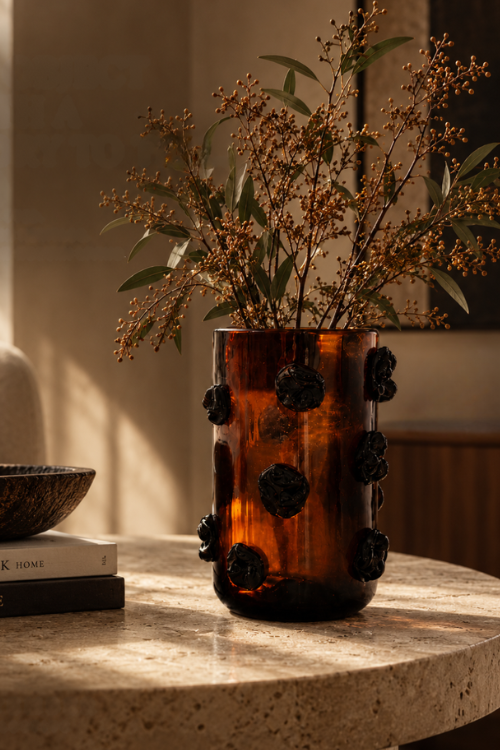
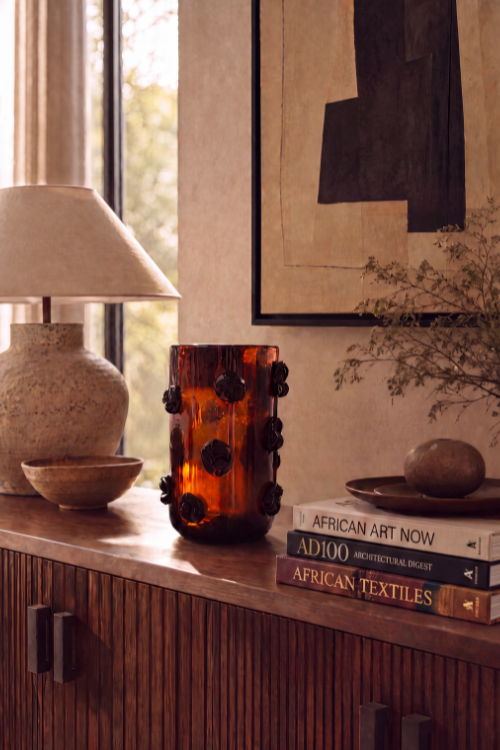
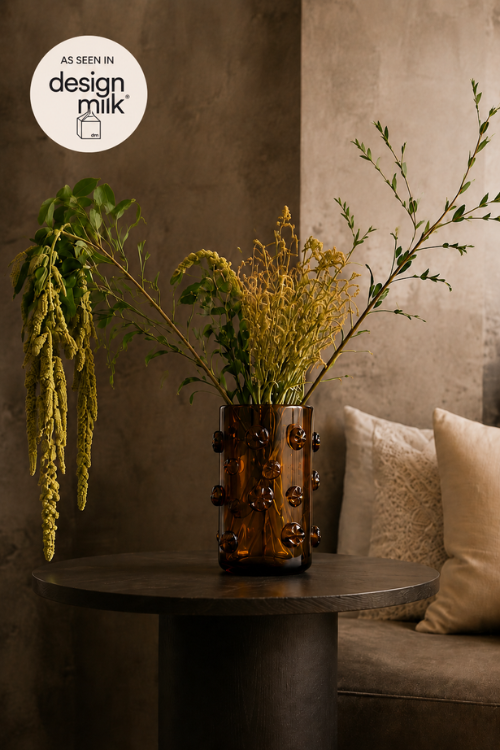

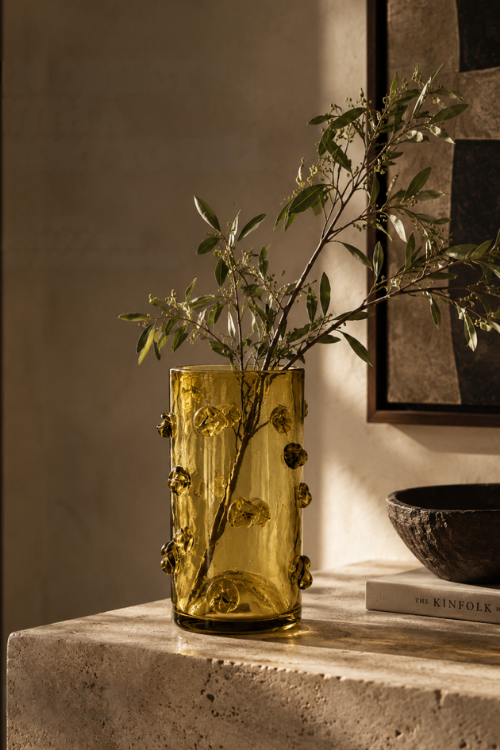
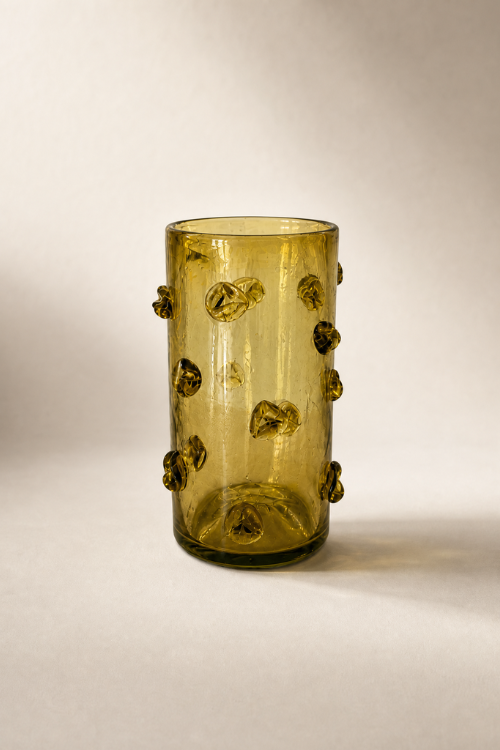
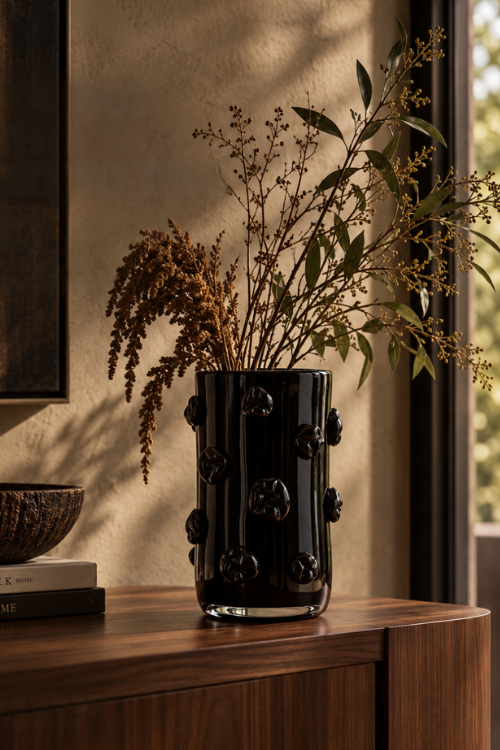
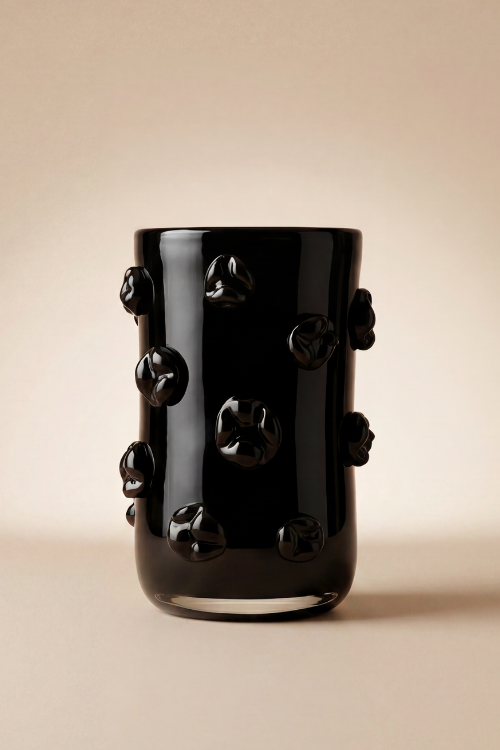
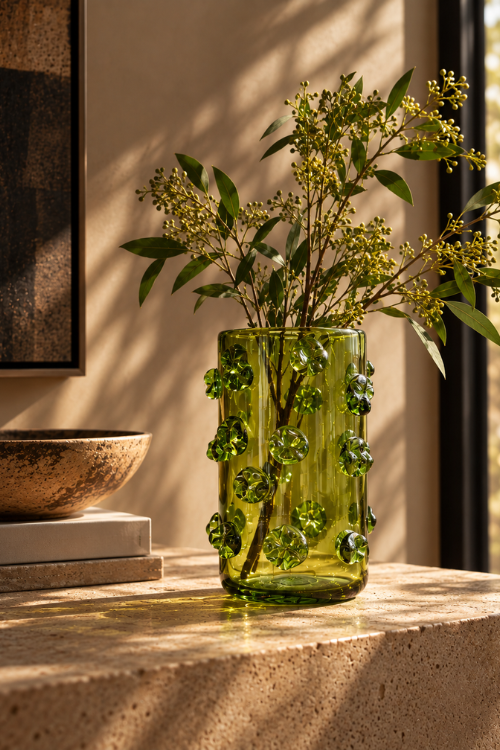
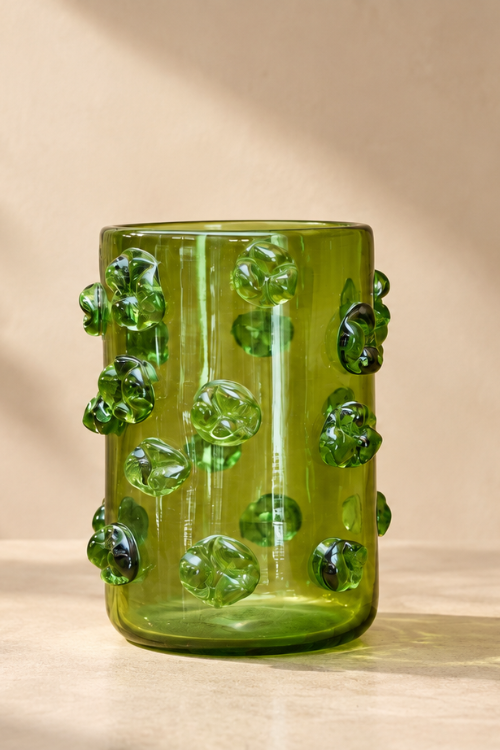
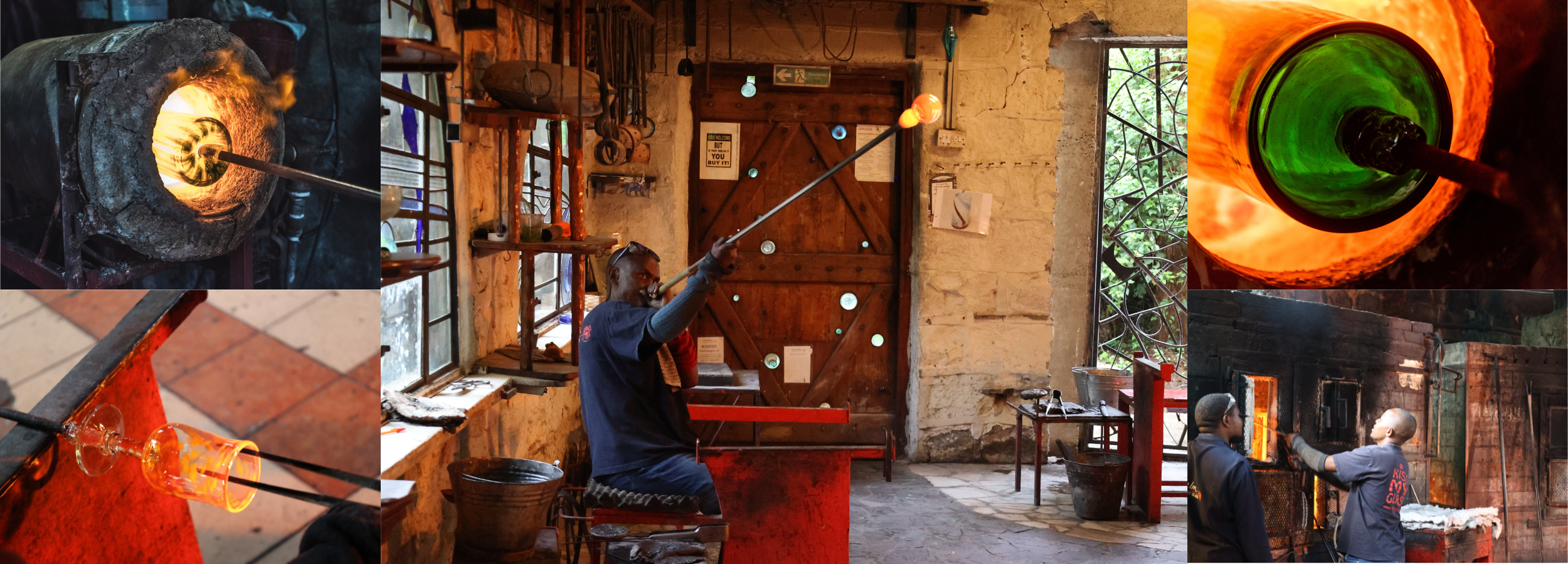
Free-blown technique — no molds, no mechanical shaping
Established in 1991, Kitengela Hot Glass was East Africa first dedicated glassblowing company. Their work has an unmistakable quality: no two pieces identical, each one carrying the mark of the hand that made it. Air bubbles in the glass are not imperfections, they are the mark of craftsmanship.